
The HV infrastructure behind solar, storage and EV projects
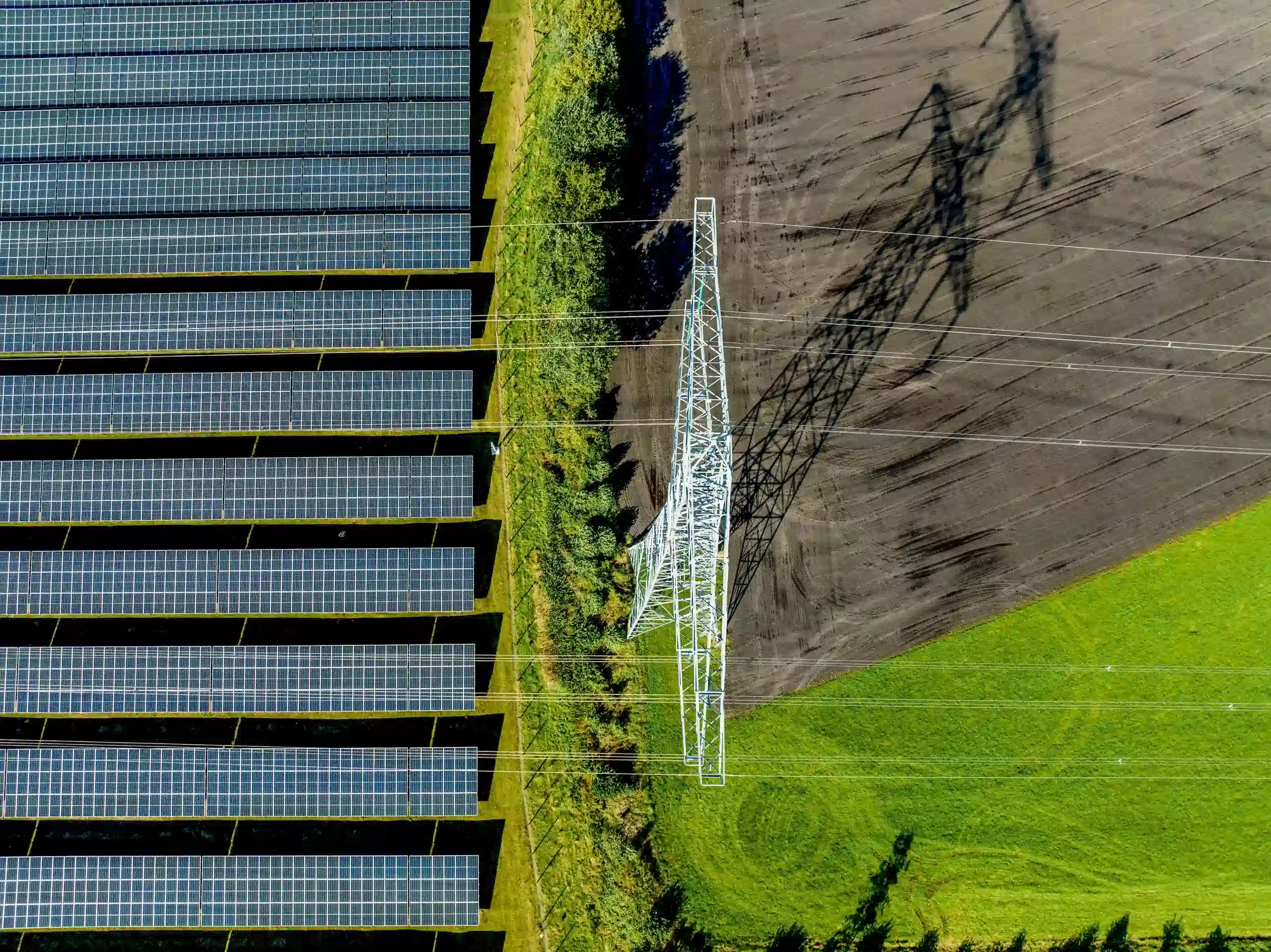
Solar, storage and EV technologies are only one part of an energy project. Capacity, connection, equipment and the wider HV infrastructure can all shape how the project moves from concept towards energisation.
Solar & Storage Live 2026 will bring together many of the technologies shaping new energy projects, from solar generation and battery storage to EV charging and wider energy systems.
These technologies are often the most visible part of a project and usually attract much of the early attention around performance, location, technology selection and the role the system will play once operational.
Behind them sits the electrical infrastructure needed to connect the project, support the required capacity and move it towards operation.
That is the conversation ESE will be bringing to Solar & Storage Live this September.
For projects involving solar generation, battery energy storage systems (BESS), EV charging or wider energy infrastructure, the questions can quickly extend beyond the technology itself.
Is sufficient electrical capacity available? Is a new or increased connection required? What HV infrastructure will be needed? Who is responsible for the different interfaces? How will design, equipment, civils, installation, testing and energisation fit together?
Understanding those questions early can give the project team a much clearer picture of the work required.
Capacity and connection shape what is possible
One of the first considerations is whether the electrical infrastructure can support what the project is intended to do.
For some projects, that may mean understanding the capacity already available at an existing site, while others may require a new connection, increased capacity or additional consideration around importing or exporting power.
The connection and capacity position can influence the infrastructure required, the design approach, equipment selection, physical space, civils requirements and the wider project programme.
It can also introduce external dependencies, including network-operator applications, approvals and other connection activities whose requirements and timescales sit outside the direct control of the project team.
A connection therefore needs to be understood alongside the wider technical and construction requirements rather than treated as an isolated task to resolve at the end of the project.
Early visibility helps the team identify dependencies, define responsibilities and understand how the connection route may influence the wider scope.
The HV infrastructure around the project
Once the requirement and connection position are understood, attention turns to the infrastructure needed to support them.
Depending on the project, this may include substations, transformers, switchgear and other HV equipment, together with cabling, protection requirements, civil works and the systems needed to integrate the installation safely into the wider electrical network.
These elements are closely connected. Design decisions affect physical delivery, equipment choices can influence civils, and civil works need to accommodate the equipment that will ultimately be installed.
Installation must reflect the approved design, while testing and commissioning need to confirm that the completed system is ready for the next stage.
The more important question is therefore how the individual components fit together as part of the complete HV scope.
Where design, equipment, civils and installation are treated as separate packages without sufficient coordination, it can become harder to establish whether the overall requirement has been fully covered.
A transformer, for example, needs to be considered alongside its specification, location, associated switchgear, cabling, foundations, access, installation and commissioning requirements. The same principle applies across the wider HV system.
Coordination and responsibility matter
Energy infrastructure projects commonly involve several organisations and disciplines.
The customer or developer may be defining the overall requirement, a consultant may be shaping the electrical design, and an EPC, M&E contractor or principal contractor may be managing the wider build.
Equipment manufacturers and suppliers also have their own scope, while civil works need to be coordinated with electrical requirements and the network operator remains involved where its approvals or activities are required. Testing, commissioning and energisation add further interfaces to the project.
The key issue is whether those interfaces have been clearly defined.
Where scope boundaries are vague, work can be duplicated, parts of the requirement can be missed, assumptions may differ between suppliers and design changes may emerge later because one package does not align with another. Programme dependencies can also remain unclear until they begin to affect delivery.
A clearer route starts with establishing who is responsible for each part of the project, what information each stage depends on and which activities remain subject to external parties.
Where the agreed scope allows, ESE can coordinate several of those HV elements through one specialist project team, giving the customer a clearer point of contact across connection, design, equipment, civils, installation, testing and energisation.
That approach does not remove network-operator involvement or other external dependencies, but it can reduce the number of separate specialist interfaces the customer has to manage and make responsibility across the HV scope easier to follow.
The result is greater visibility of who owns each stage, how the different elements fit together and what still depends on third parties.
From requirement towards energisation
A typical HV project can involve a connected sequence of activity:
Requirement → Connection → Design → Equipment → Civils → Installation → Testing → Energisation
The exact route will vary according to the project, but the value comes from considering these stages as part of one delivery picture.
The initial requirement informs the connection strategy, which then influences the design. The design determines much of the equipment and civil scope, while equipment and civils need to be coordinated before installation.
Installation then needs to be tested and commissioned before energisation can take place. Because these stages are interconnected, changes or assumptions made early in the project can have consequences later.
A more coordinated HV scope can reduce the number of separate specialist interfaces the project team has to manage, particularly where connection, design, equipment, civils, installation and testing would otherwise sit across different suppliers.
Depending on the agreed project scope, ESE can support several of these stages through one specialist team, helping the customer maintain a clearer view of responsibilities, dependencies and the route towards energisation.
External approvals and network dependencies remain part of the process, so the value lies in coordinating the parts that can be brought together while keeping third-party requirements visible.
What should be considered early?
Before the wider project structure becomes fixed, it is worth asking a few practical questions:
- What electrical capacity does the project actually require?
- Can the existing site infrastructure support that requirement?
- Is a new or increased electrical connection needed?
- Are import or export requirements understood?
- Is the complete HV scope defined?
- Who owns each design, construction and connection interface?
- Has the required HV equipment been identified?
- Are equipment requirements being coordinated with the civil design?
- What network-operator approvals or other external dependencies apply?
- Are testing, commissioning and energisation responsibilities clear?
- Does the programme reflect the dependencies between these stages?
These questions help establish whether the infrastructure around the energy technology has been properly considered, although they do not replace detailed engineering or project-specific advice.
Where ESE fits into the project
ESE is a high-voltage infrastructure specialist and Independent Connections Provider supporting new connections, capacity requirements and major HV infrastructure projects.
Where the project scope allows, ESE can bring several parts of the HV journey together through one specialist project team rather than leaving the customer to coordinate each package independently.
Depending on the requirement, this can include:
- Connection activity
- HV design
- Equipment supply
- Civil works
- Installation
- Testing and energisation
- Ongoing support
For project owners and delivery teams, this can provide a clearer point of contact, fewer fragmented interfaces and better visibility of how the project moves from its initial electrical requirement towards operation.
For consultants, contractors and pre-construction teams, early HV input can also help clarify scope boundaries, equipment requirements, constructability and the information needed to build a more complete project package.
The exact delivery route will always depend on the project, its location, the agreed scope and the involvement required from the relevant network operator and other parties.
Continue the conversation at Solar & Storage Live 2026
These are the kinds of questions ESE will be discussing at Solar & Storage Live 2026.
If you are developing a solar, battery storage, EV or wider energy project involving a new electrical connection, additional capacity or HV infrastructure, the event is an opportunity to talk through the infrastructure behind it, from the initial requirement through to the route towards energisation.
Solar & Storage Live 2026
22–24 September 2026
NEC Birmingham
Stand K15
Talk to the ESE team about your project.