
What happens when HV equipment needs replacing?
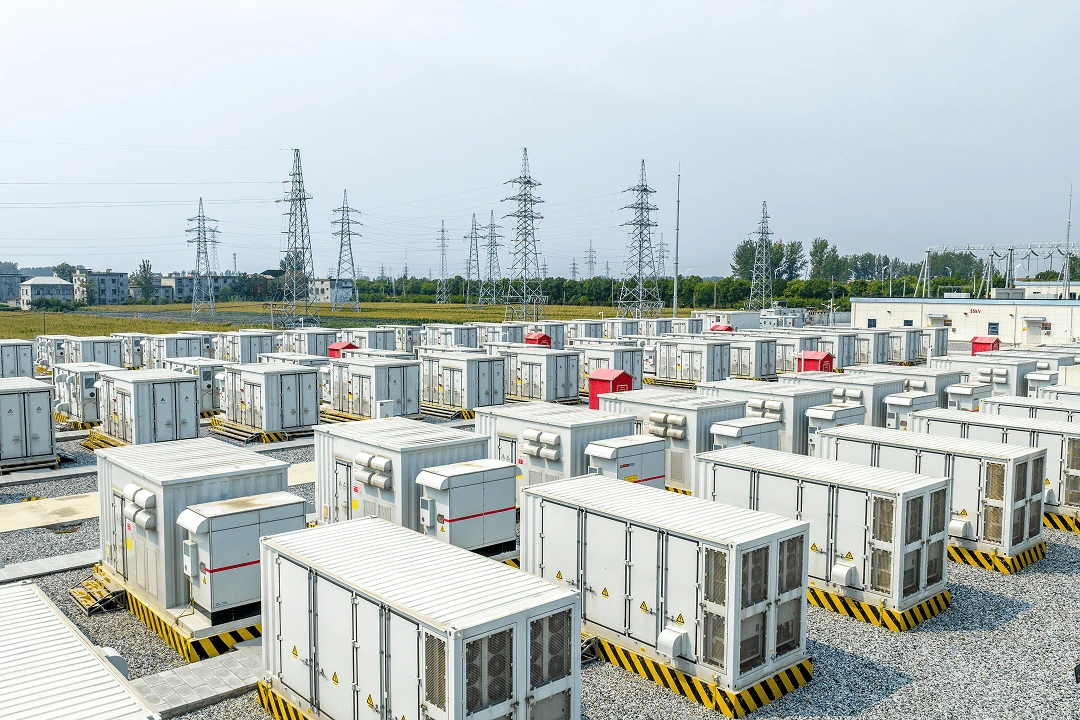
What happens after a decision has been made to replace HV (high-voltage) equipment? What does the journey look like practically – from choosing the right equipment, through to it being installed, switched on and maintained?
- In our article ‘What happens after an issue is identified on a HV network?’ we covered deciding how to respond to a finding.
- In ‘When does an ageing transformer become an asset decision?’ we then covered whether an ageing transformer needs replacing.
This article explores what happens once that decision has been made.
Specification and supply
It’s important to match the new equipment to your site’s actual needs (now and in the future) rather than just swapping like for like. Lead times on some HV equipment can be long – so planning ahead helps. At ESE, we are able to both source and supply the HV equipment.
Planning the work
We plan shutdowns in detail, agreeing outage windows, switching schedules and any temporary supplies in advance. Our team also liaises closely with the client and other contractors, so that works are completed safely, and power is restored on time.
Our highly trained engineers, Authorised Persons, jointers and electrical fitters install and support distribution equipment up to 33,000 Volts, completing detailed site surveys, method statements and risk assessments prior to the commencement of works.
We can help with planning access ahead of time, keeping the site running where possible, and coordinating with the AP (Authorised Person) arrangement.
Our article ‘What needs to be resolved before an HV installation reaches site?’ explores getting things right before work reaches site.
Installation, testing and switching on
We can physically install HV and LV distribution equipment – transformers, switchgear, cables up to 33kV, and substations. Our highly trained engineers complete detailed site surveys and risk assessments before a single cable is laid. We have in-house civils too, so we manage ground and electrical work under one contract.
The installation of electrical equipment represents a critical phase within our operational framework. Transformers and switchgear are transported to site & positioned utilising our wagon-mounted Hiab crane, ensuring compliance with safety protocols and mitigating the risk of damage. Each item of equipment is sited on pre-engineered bases or bunds, aligned to specified orientation requirements and maintaining all mandated clearances.
We install high voltage cable using approved methods, including trenching or duct installation, using industry standard controlled pulling methods. Jointing and terminations are completed by our qualified jointers using approved joint and termination kits for the appropriate cable, such as Triplex, XLPE or PILC/PICAS.
Testing is carried out prior to energisation to verify the installed apparatus & cabling is fit for service.
We provide a full range of testing and commissioning services, including pressure testing, VLF/AC testing, fault location, relay testing, functional checks, system phasing, insulation resistance & cable overvoltage testing. All results are recorded and issued as part of the project handover.
Where others are involved
If the work affects the site’s connection to the grid, the network operator may need to be involved.
Back into maintenance
The new equipment becomes part of the ongoing maintenance, which brings the story full circle.
The same team that maintains your network can help replace and install equipment, so there’s one team that knows the site throughout.
If you have equipment you’re thinking about replacing, we are happy to talk this through with you – we are able to supply and install equipment, as well as maintain it.