
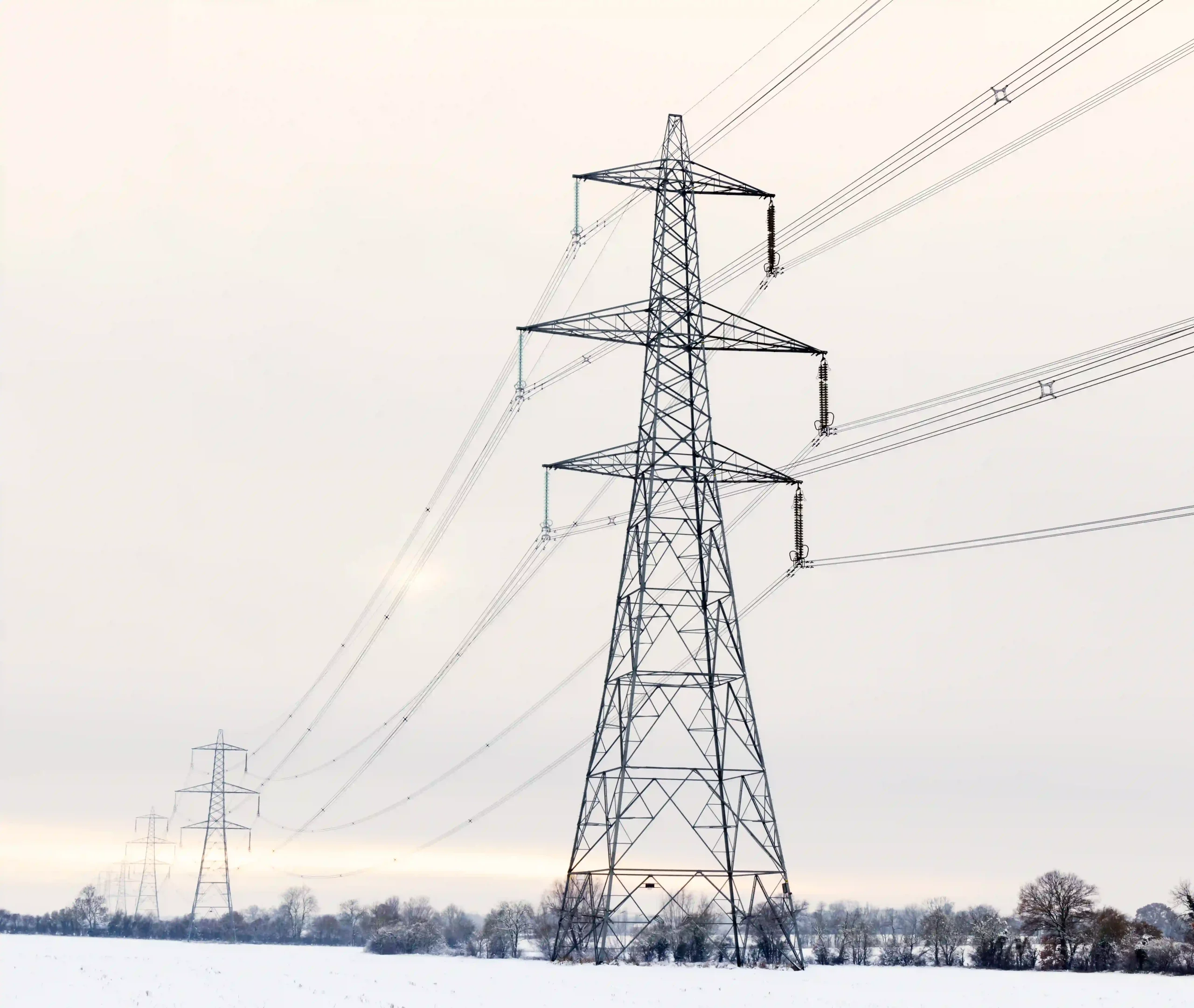
It goes without saying that those last couple of weeks before Christmas are some of the busiest of the year. Jobs get finished, handovers get written, and then things go quiet. Some sites close almost completely. Others, like hospitals and warehouses, keep running with a smaller team.
Either way, your HV network carries on working in the background, and most of the time the break passes without anyone giving it a thought. That’s how it should be.
What changes over the holidays is who’s around. The people who normally keep an eye on the site, and know who to call, are off too. So, the useful question isn’t whether your equipment will cope. It’s this: if something did need attention, would the right person hear about it, could they be reached, and could they get in?
A little preparation now answers all three. Here’s what we’d suggest sorting out before you lock up.
Who’s on call, and does everyone have the number?
Start with the simplest thing: who should be called if there’s an HV problem over the break? That might be someone on your own team, your FM provider, your Authorised Person or your HV contractor. Often, it’s a mix, with different people covering different days.
Write it down: names, numbers and the dates each person is covering. Holiday rotas change late, so check it again in the last week before the break.
Then think about who would actually notice a problem. Over the holidays, it’s rarely the person who looks after your HV. It’s more likely to be security, a caretaker, a skeleton shift or a tenant who finds the lights out. Make sure they have the list too and know that HV issues go to those numbers rather than to a general maintenance line that may not be answered.
If we provide your callout, our 24/7, 365-day line runs through Christmas and New Year as normal. It’s worth checking it’s on the list, and that the number people have is the current one. Contact lists drift over a year.
If you have an Authorised Person arrangement, confirm who’s covering it over the break. There’s more on what that role involves in our article on what an Authorised Person arrangement involves. And if a fault is reported, what happens next is covered step by step. The aim here is simply that the call gets made to the right place.
If you look after several sites, it’s worth checking each one has its own up-to-date list. A shared contact sheet that’s right for one site can easily be out of date for another.
Who can get into the substation?
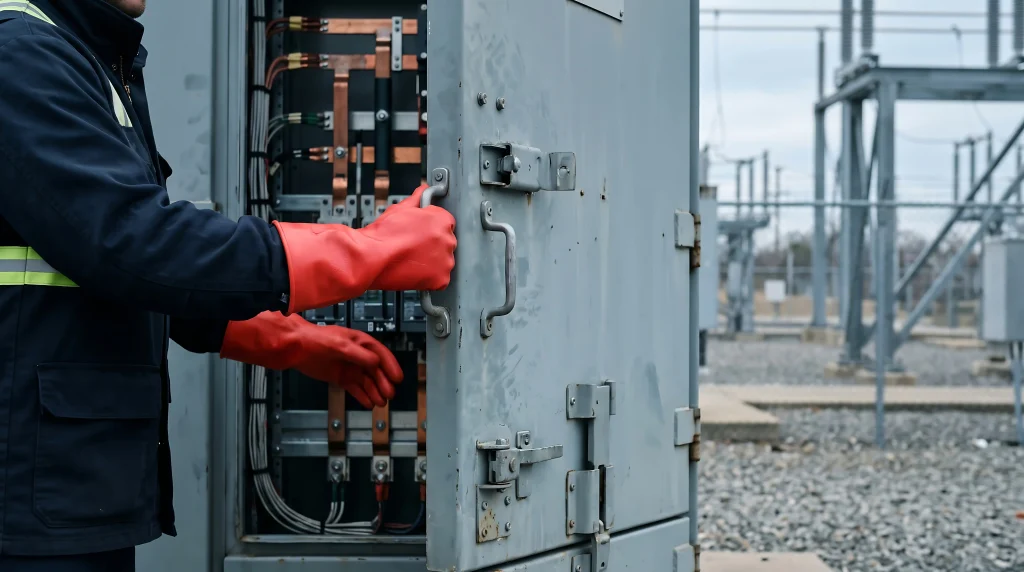
Keys to substations and switch rooms are tightly controlled, and rightly so. Only a few people hold them, and access is managed as part of running the HV system safely.
The flip side is that over the break, those few people may all be away. If an engineer is called out but can’t reach the equipment, the visit stalls at the gate.
So, before you lock up, check:
- where the substation and switch room keys will be, and who holds them on each day of the break
- how an engineer gets onto site out of hours: gates, barriers, alarms and any sign-in arrangements
- who can meet them and let them in if the key holder isn’t on site
Keep the same level of control you have the rest of the year. The answer isn’t to hand keys out more widely for convenience. It’s to agree who holds them over the break, make sure that’s recorded, and put the arrangement on the same sheet as your contact list. That way, whoever takes the call has both pieces of information in one place.
What’s already being watched?
Most sites go into the break with a few things already known. A recent maintenance visit may have flagged something to keep an eye on, or a repair that’s been planned for the new year. Not every finding needs action straight away and deciding which can wait is a normal part of looking after a network.
The risk over the holidays is that this knowledge sits with one person who’s away. Whoever is covering may not know that a piece of equipment is being watched, or that part of the network is in an unusual arrangement while work is pending.
A short handover note fixes that. It doesn’t need to be long. It should include:
- any findings from recent maintenance that are being monitored or are waiting for planned work
- any equipment that’s been behaving differently, or has needed attention recently
- anything that isn’t in its normal state, such as a temporary arrangement or part of the network switched out
- where to find the latest maintenance report and site drawings
If your maintenance report sets out priorities clearly, much of this is already done for you. Our article on planned maintenance covers what a good report should give you.
And if there’s something you’re not sure can comfortably wait until January, ask now. A quick conversation before the break is far easier than wondering about it over Christmas.
Before you lock up: a quick list
If you only have ten minutes, these are the things to check:
- A contact list for HV issues over the break, with names, numbers and dates covered
- That list in the hands of security, site staff and anyone else likely to notice a problem first
- Your HV contractor’s callout number on it, and checked as current
- Who’s covering your Authorised Person arrangement, if you have one
- Who holds the substation and switch room keys each day, and how an engineer gets on site
- A short handover note on anything already being watched or waiting for work
- The latest maintenance report and site drawings somewhere the covering team can find them
None of this is complicated. Most of it is one conversation and a single page of notes, but it means the people covering the site over Christmas can act quickly and calmly if they need to.
Talk it through with us
If you’d like to check your holiday arrangements before the break, whether that’s confirming our callout details, going over a recent finding or working out who’s covering what, we’re happy to help. It’s a short, straightforward conversation, and it means you can switch off over Christmas knowing the right people are in place.