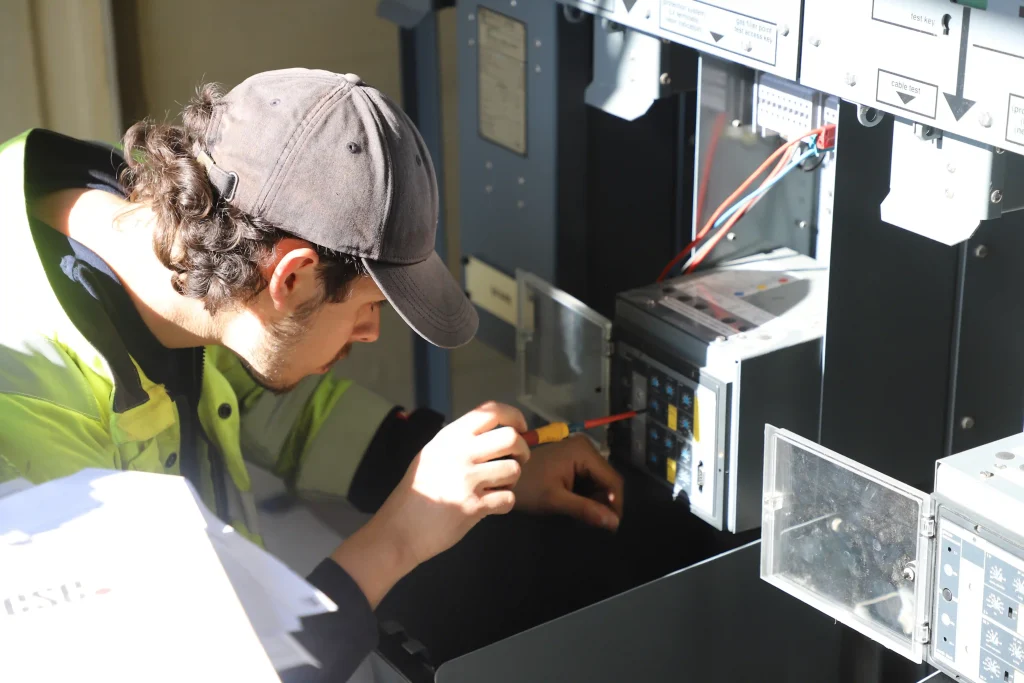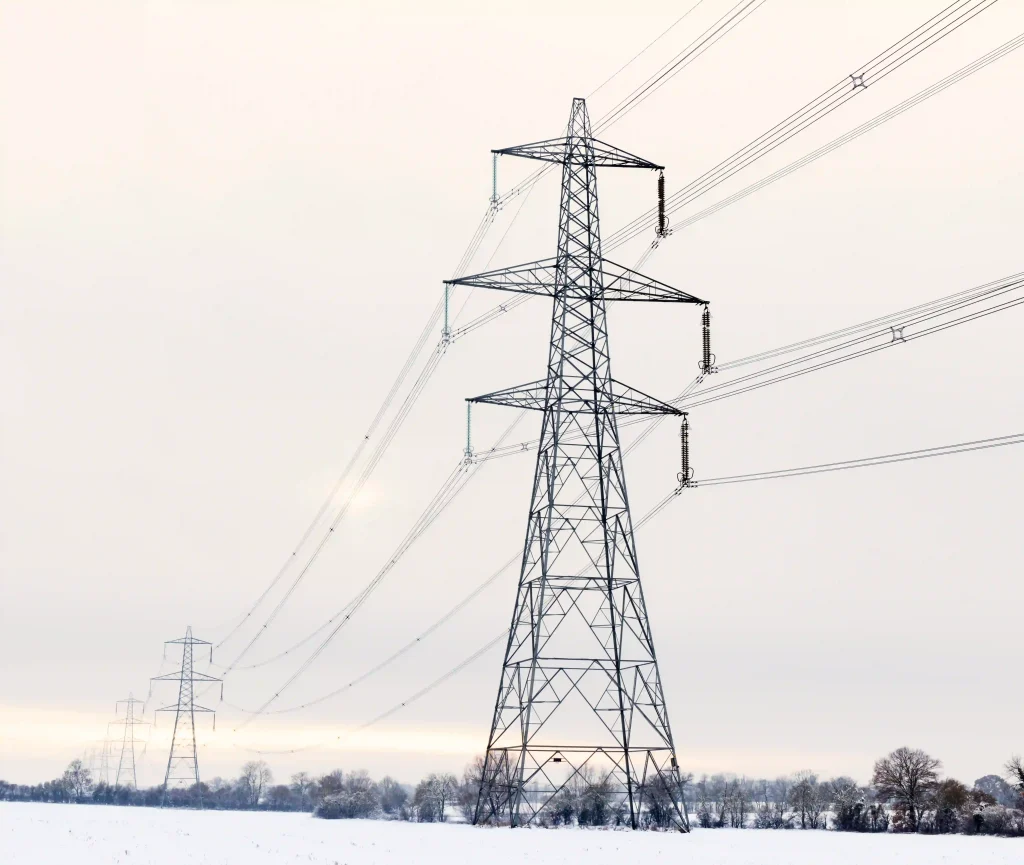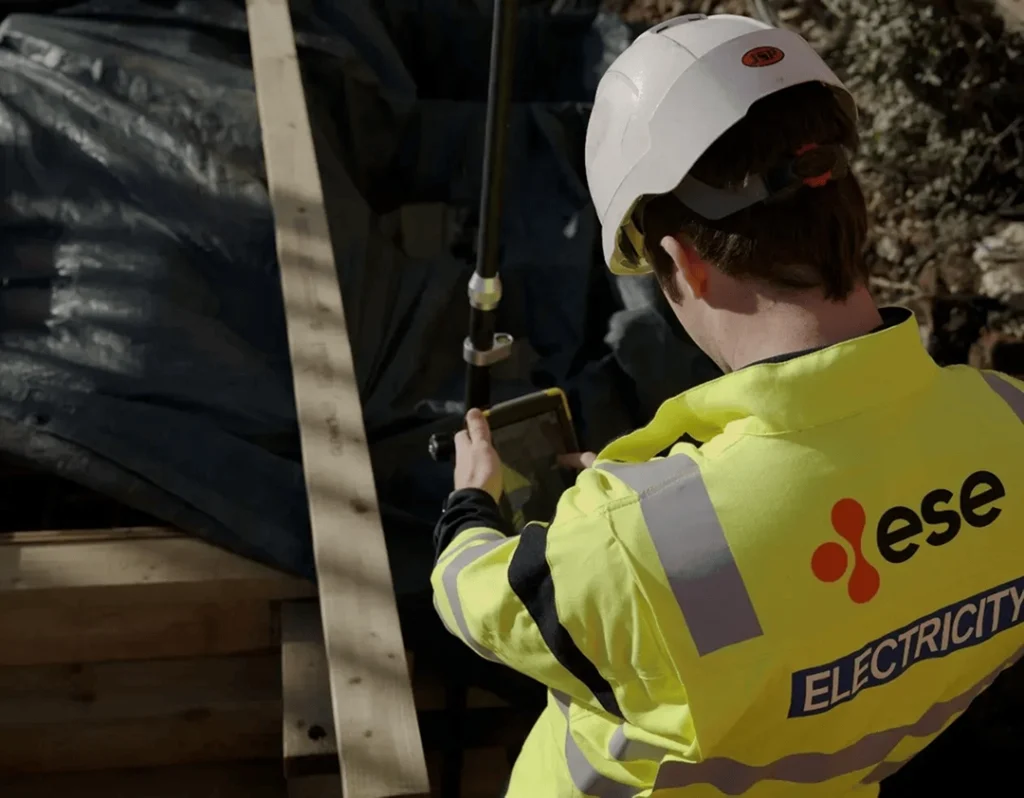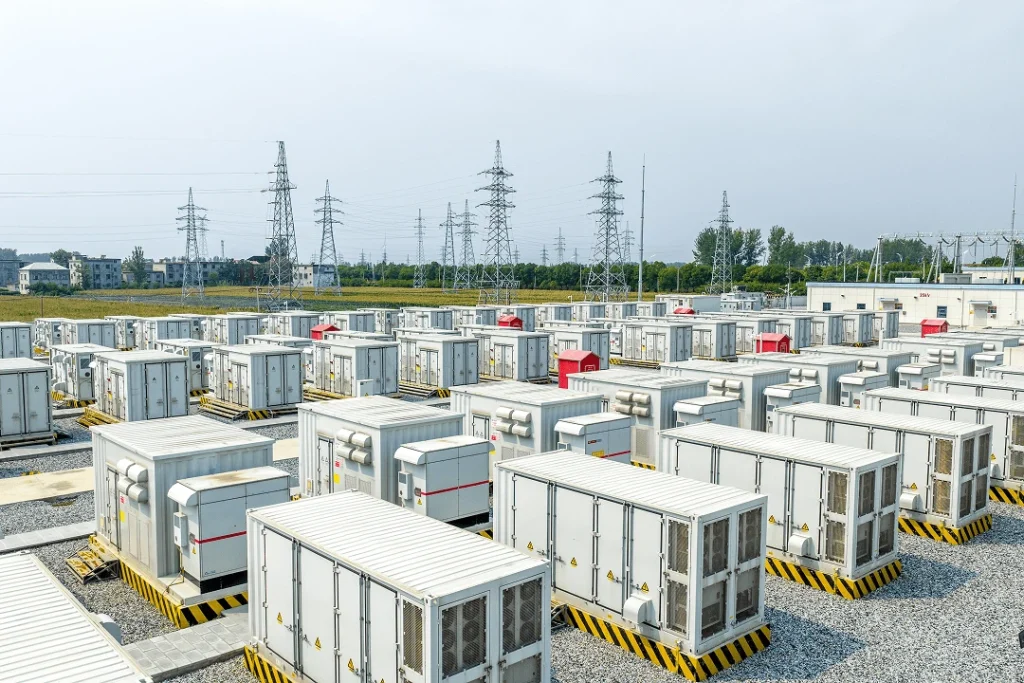

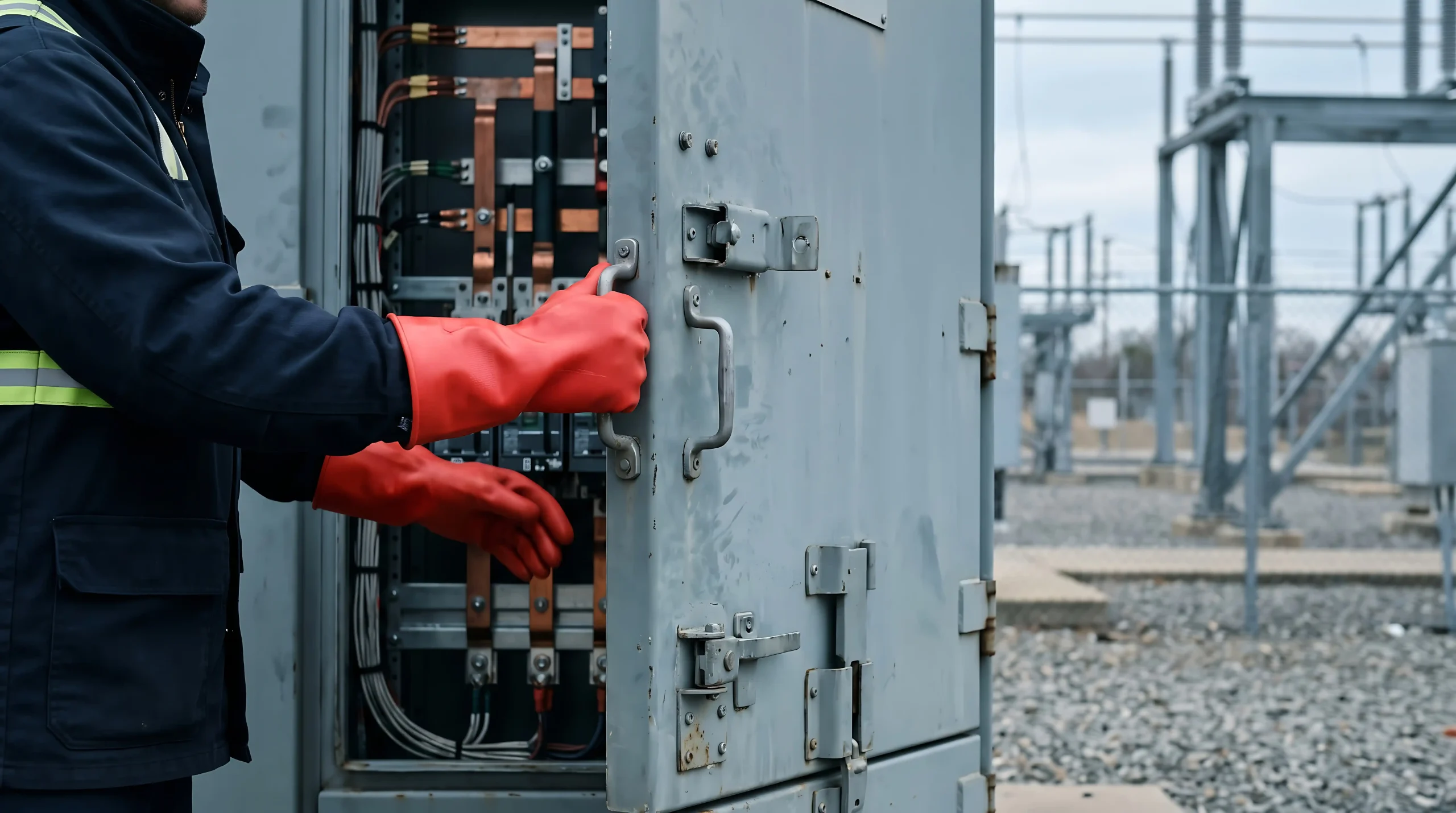
Much of the bigger high voltage work on a site can only happen with part of the supply switched off. Replacing switchgear, working on a transformer or making changes to the network usually means a planned shutdown.
Shutdowns need the right moment, and on most sites there are only a few good ones in a year. A bank holiday weekend, the week between Christmas and New Year, a summer break, a quiet spell in production. They tend to come round faster than expected, and a slot that’s been missed can mean a long wait for the next one.
That’s why December is a good time to look at next year’s calendar. Picking out the slots now, while there’s still time to plan around them, makes each shutdown easier to arrange and more likely to happen when you want it to.
When are your site’s quiet periods?
Every site has a rhythm, and the best shutdown slots follow it. The question isn’t when it would suit the work, but when the site can most easily manage without power in the affected area.
Some common examples:
- Universities and colleges: the summer break, and to a lesser extent Easter and Christmas
- Schools: school holidays, especially the longer summer break
- Offices and commercial buildings: weekends and bank holidays, and the Christmas period when many tenants close
- Manufacturing and industrial sites: planned production stops and annual maintenance weeks
- Sites that never fully close, such as hospitals and data centres: periods of lower demand, and parts of the network that can be isolated while the rest keeps running
It’s worth looking beyond the obvious too. A building that’s empty during a refurbishment, a department moving out, or a tenant between leases can all open up a window that isn’t on the usual calendar.
Once you’ve marked the possible slots, check them against everything else in next year’s diary: events, exam periods, peak trading, audits or anything else the site can’t move.
How can one shutdown do more than one job?
Every shutdown takes effort: agreeing the date, warning everyone affected, switching off and switching back on. So once part of the site is off, it makes sense to get as much done as possible while it is.
When you look at a slot, ask what else could happen at the same time:
- HV work from this year’s findings that needs the same part of the network off
- Maintenance that’s easier, or only possible, with equipment out of service
- Other trades’ work on the same supply, such as LV, building services or fit-out work that also needs power off
- Tests or inspections that are due and need an outage
The budget planning we covered in our last article is a good starting point here. Work you’ve already grouped for next year’s budget can often be matched to a specific shutdown.
It’s also worth being realistic. A shutdown that tries to do too much can overrun, and an overrun at the end of a holiday is the one thing everyone wants to avoid. Sometimes the right answer is two well-sized shutdowns rather than one crowded one. Your HV contractor can help judge what fits comfortably in each slot.
Why does new equipment make early planning matter?
If a shutdown involves new equipment, such as replacement switchgear or a transformer, the equipment needs to be on site before the slot arrives. Some HV equipment can take a while to arrive once it’s ordered, and that time varies with what’s needed and how it’s specified.
The risk is simple: the shutdown date is fixed by the site’s calendar, not by the equipment. If the equipment isn’t ready, the work moves to the next suitable slot, which might be some way off.
Working back from the shutdown date avoids that. Once a slot is chosen, the specification, ordering and delivery can be planned so everything is ready in time, with some room to spare.
This is where it helps to have one contractor handling the whole job. We can specify, supply and install as well as maintain, so the equipment, the shutdown and the work itself are planned together rather than coordinated across several suppliers. Our article on what happens when HV equipment needs replacing walks through that process in more detail.
Who needs to know, and when?
A shutdown affects more people than the ones doing the work. The earlier they hear about it, the easier it is for them to plan around it, and the less likely someone is to push back late on.
Think about:
- your own teams: security, facilities, IT and anyone who manages systems that need shutting down or restarting carefully
- tenants, departments or occupiers: anyone whose space, equipment or operations will lose power
- people with critical equipment: freezers, servers, labs, medical or process equipment that needs its own arrangements
- anyone else on the same supply, such as neighbouring buildings or shared services
- senior management, who may need to approve the date and the disruption
An early “save the date” is often enough to start with. The detailed arrangements, such as exact switching times and what’s affected, can follow once the scope is settled. Our article on what to sort out before HV work reaches site covers that side of the planning.
Where to start
You don’t need a finished plan this month. A rough one is enough to make next year much easier:
- Mark next year’s likely quiet periods on the calendar
- Cross off any that clash with events, peaks or commitments the site can’t move
- List the HV work you expect next year, and anything else that needs power off
- Match the work to the slots, keeping each shutdown to a sensible size
- Flag any job that involves new equipment, so ordering can be planned back from its date
- Send a first “save the date” to the people who’ll be affected
If you manage several sites, it’s worth doing this across all of them at once. It helps spread the work through the year rather than bunching it into the same few weeks.
Talk it through with us
If you’re starting to look at next year’s calendar, we’re happy to help you work out what fits into each shutdown, whether any equipment needs ordering with a particular date in mind, and how to keep each slot to a manageable size. The earlier we talk, the more options you’ll have.